Editorial Dispatch · Index 001

Gamers
Haven

Long-form commentary on the cultural seams of video games — timeline paradoxes, abandoned franchises, the rooms where the cabinets still glow.

Gamers Haven treats games the way film criticism treats film: as work worth arguing about. Each feature reads the medium for what it tries to say, where it falters, and what survives the years between releases.

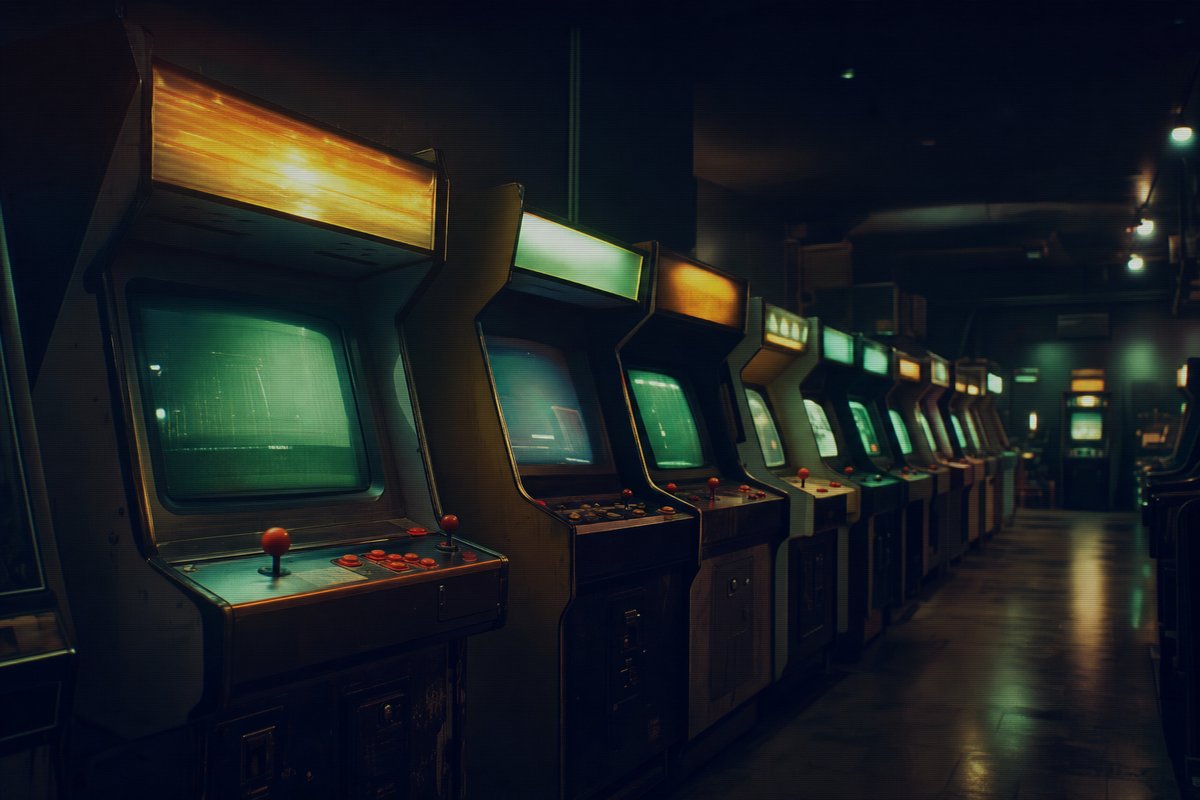
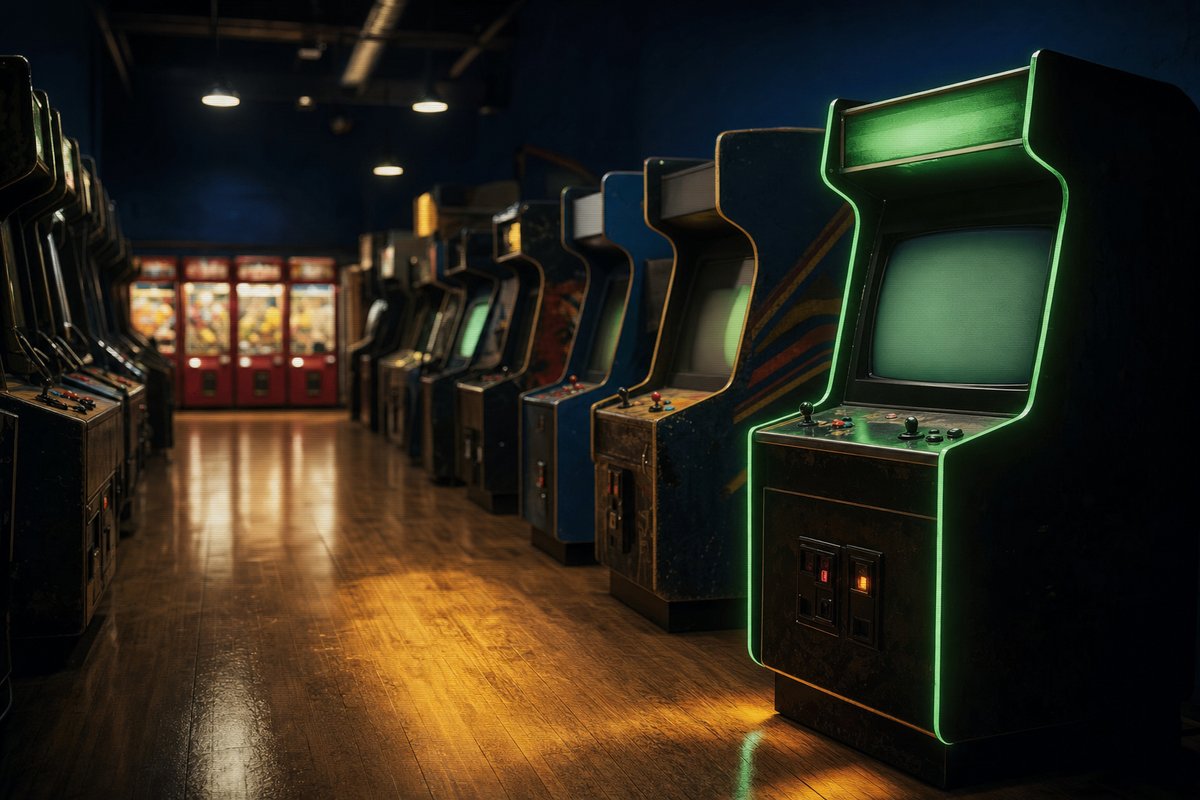
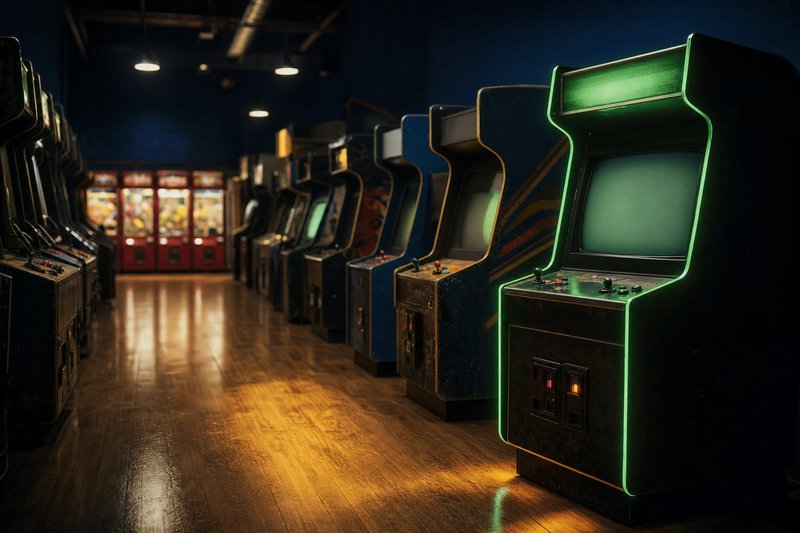
Wide editorial photograph of a darkened vintage arcade hall — rows of CRT arcade cabinets in receding perspective glowing softly in the dark, midnight-navy atmosphere with phosphor green and amber bloom.
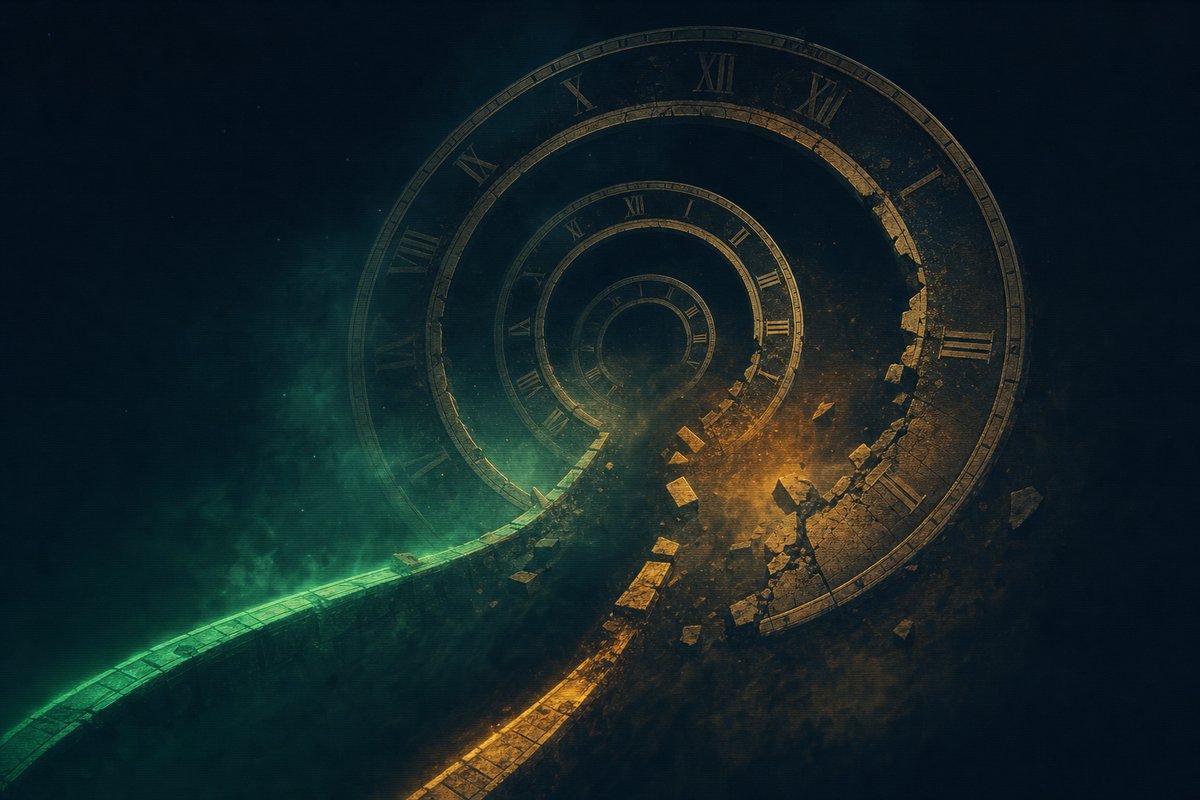
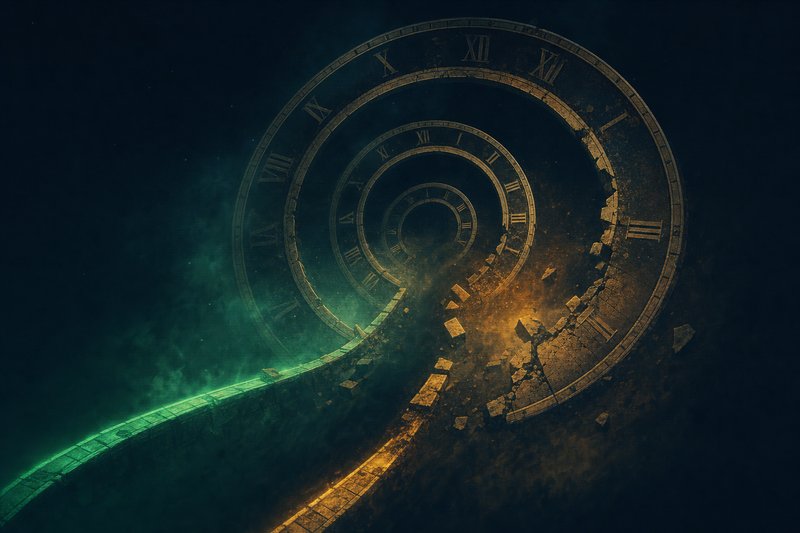
Abstract editorial photograph of concentric clock rings drifting in dark space, lit in phosphor green and amber.
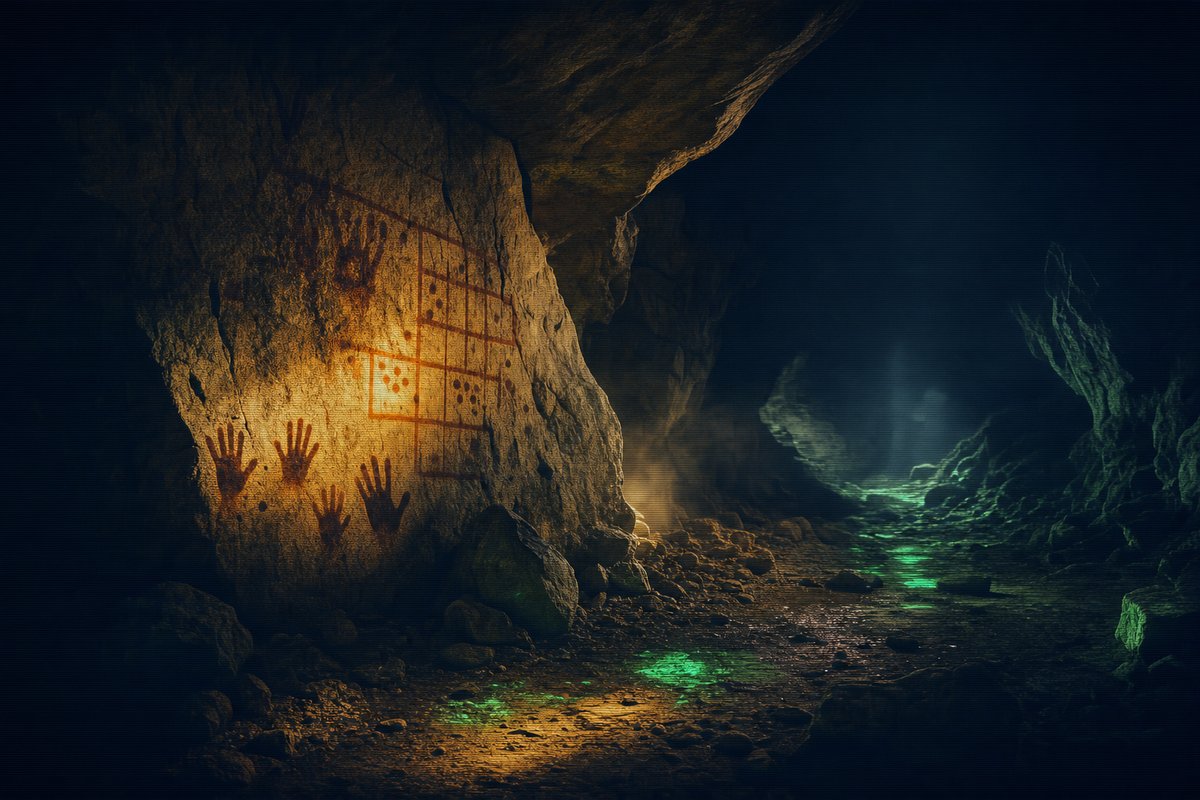
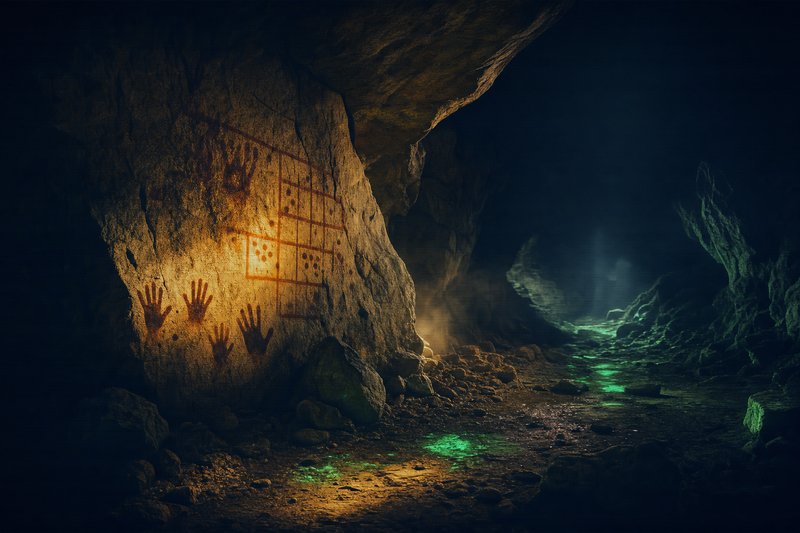
Stone cave with ochre handprints and grid markings.
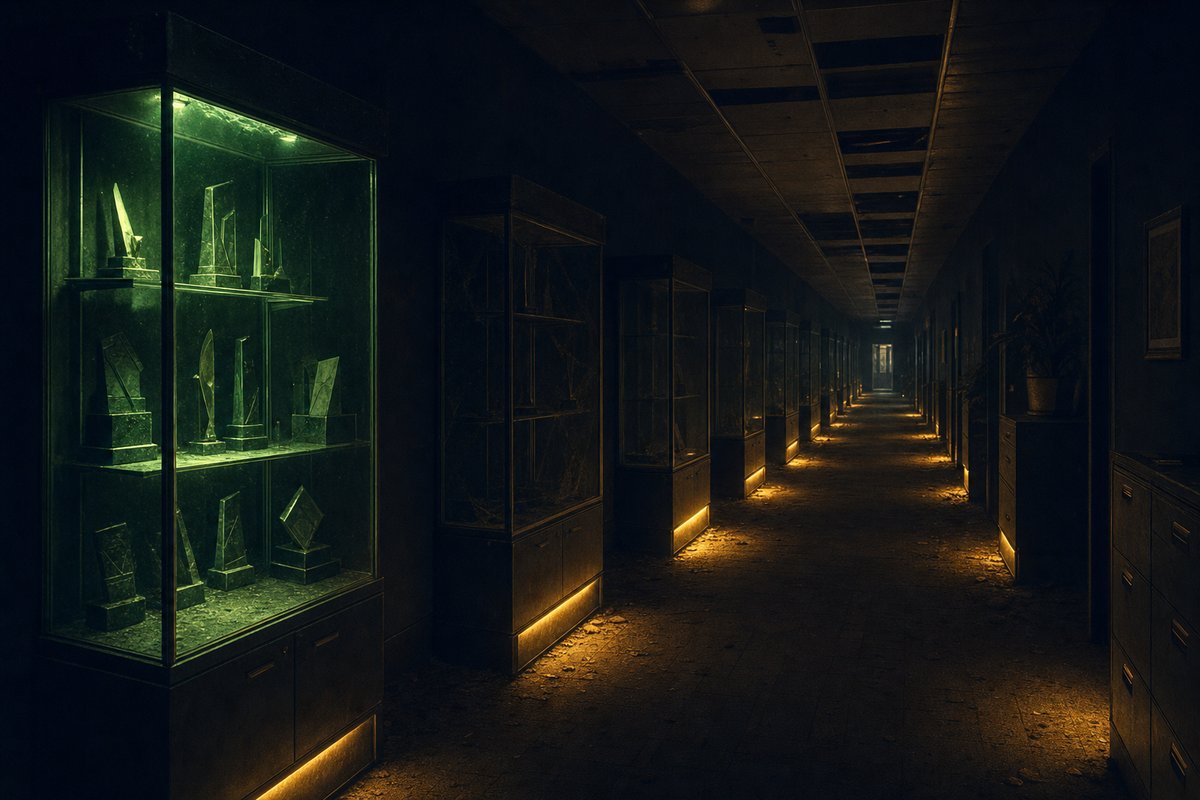
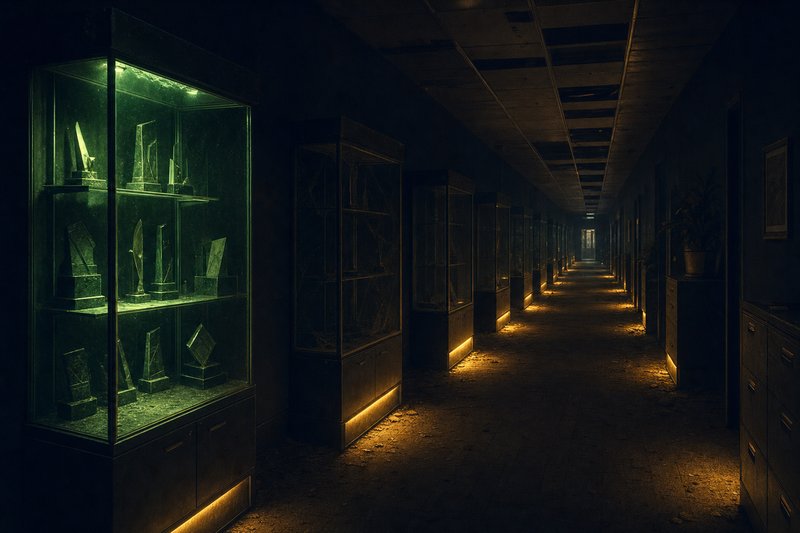
Empty institutional hallway with one cabinet faintly lit in phosphor green.
Inside of a vintage Canadian arcade hall with rows of CRT cabinets receding.
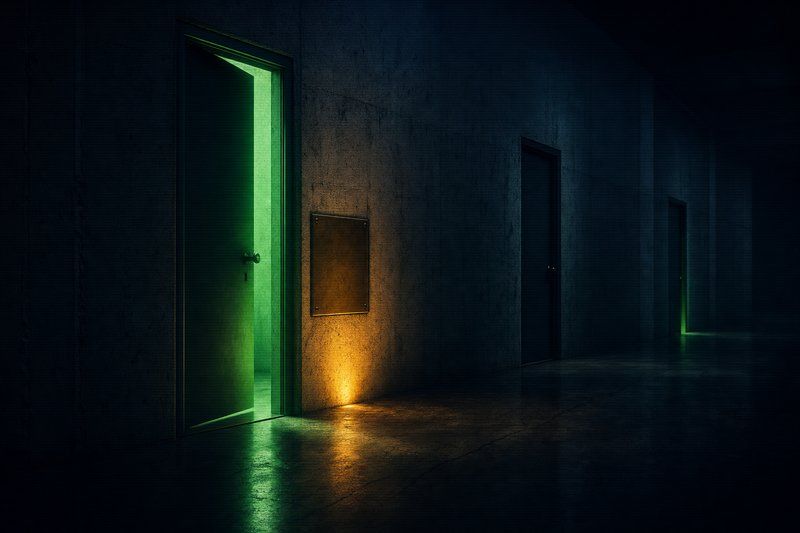
Darkened concrete corridor with three receding doors, one cracked open and glowing phosphor green.
Abstract voxel landscape of glossy navy and phosphor green cubes with a single amber search beacon.
Cover Story

Estimated read time · 16 mins
Subject · Zelda lore
Filed · 2017/03/10

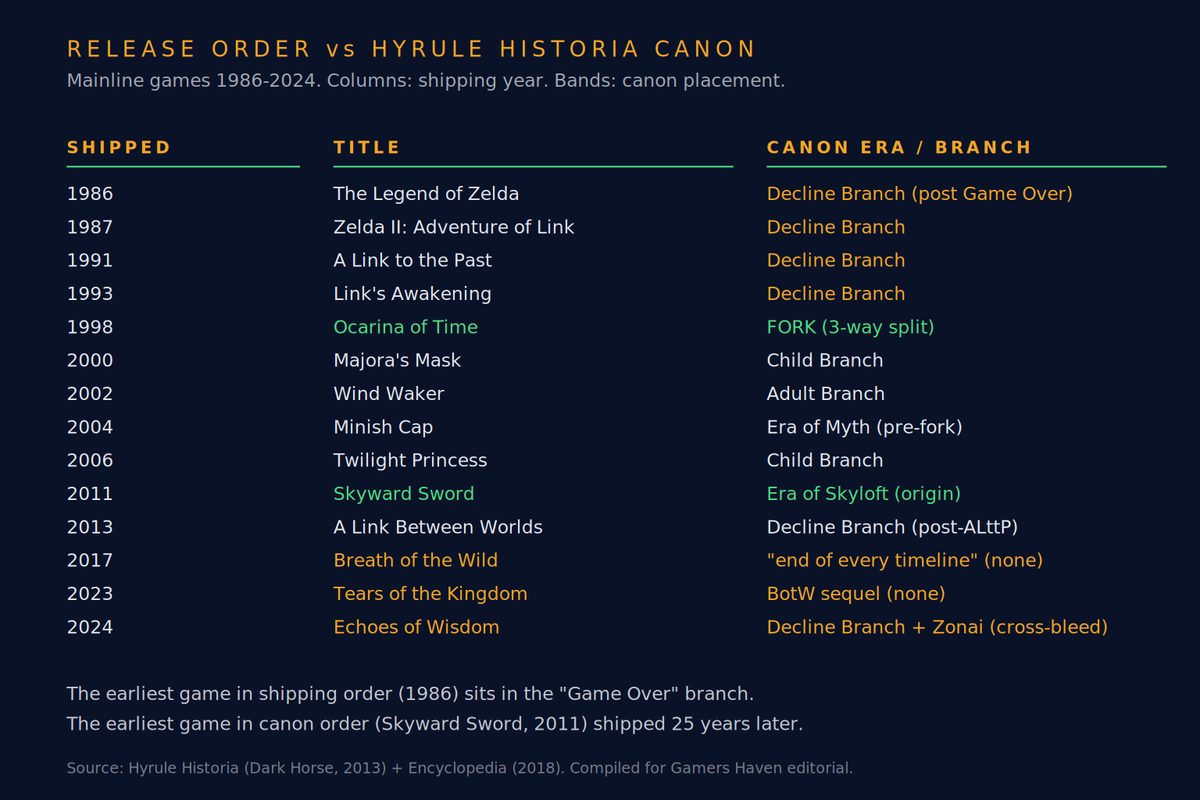
The Zelda Timeline Still Makes No Sense — and Breath of the Wild Proves It

Sky Era, Era of Myth, Hero of Time, Adult and Child splits, Era of Decline, and now an open-air sequel that refuses to commit to any of them. The argument for retiring the timeline as a coherent reading framework — and what to read in its place.

Abstract editorial photograph of concentric clock rings drifting in dark space, lit in phosphor green and amber — visual cue for chronological paradox. IMG_DATA.FLG

Featured commentary

Six pieces · one click each

Long-Form Commentary

Vol 1.0 · Editorial Index
[01] FAR CRY

Is Far Cry Primal Part of the UbiVerse?

Ubisoft's mid-2010s push to braid Far Cry, Assassin's Creed and Watch_Dogs into a shared canon — and what a stone-age survival game has to say about whether that universe actually holds together.

Module 4-A · 2016
[02] INDUSTRY

Konami Is Still the Worst Gaming Company

From Silent Hill to Castlevania to Metal Gear, a decade-long catalog of mismanagement, the pachinko pivot, and the institutional shift away from prestige creative output.

Module 4-B · 2016
[03] ARCADE

Arcade Adventures at the Great Canadian Midway

A field report from Niagara Falls' last-of-its-kind arcade hall, classic cabinet preservation, and why the quarter-eater format never quite went away in the Canadian midway scene.

Module 4-C · 2015
[04] HALF-LIFE

Don't Wait for Half-Life 3

The patience economy of Valve's most famous missing sequel — the canon ladder from HL1 to HL:Alyx, the VR pivot, and why "count to three" became the medium's most durable meme.

Module 4-D · 2015
[05] TECH

Artificial Intelligence and Minecraft

Procedural generation, mob behavior models, and the wave of NPC-trained agents that turn Minecraft into a benchmark for how machines learn the shape of an open world.

Module 4-E · 2016
[06] RPGS

Random Encounters in RPGs

The polarizing friction of invisible combat — from Dragon Quest and Final Fantasy through the modern "visible-enemy" turn, and what designers gained or lost by walking it back.

Module 4-F · 2016

7

Published essays

long-form arguments, one per core topic

~3,200

Avg words per piece

read time runs twelve to sixteen minutes

42k

Monthly search volume

covered across the six core topics

2015–26

Editorial span

first published essays through current build

Browse by Category

Article Index

7 entries
  1. 001 The Zelda Timeline Still Makes No Sense
  2. 002 Konami Is Still the Worst Gaming Company
  3. 003 Random Encounters in RPGs
  4. 004 Artificial Intelligence and Minecraft
  5. 005 Is Far Cry Primal Part of the UbiVerse?
  6. 006 Arcade Adventures at the Great Canadian Midway
  7. 007 Don't Wait for Half-Life 3
Editorial Note

On the Beat

Gamers Haven publishes long-form, single-essay arguments on video game culture — one writer working a topic in depth rather than a daily news drip. The features return to the same beats: lore and continuity, the long lives of franchises, the architecture of public arcade space, the way a medium's missing sequels shape its conversation. The editorial position is straightforward — games deserve the same level of close reading that film and television already get.

About Gamers Haven

Editorial FAQ
What is Gamers Haven?

Gamers Haven is a long-form editorial publication on video game culture and history. Each feature is a single argument worked at depth — typically 2,500 to 3,500 words — on a specific question about the medium. The site covers franchise continuity puzzles, publisher catalog strategy, arcade and venue culture, and the way games age relative to their players.

How often does Gamers Haven publish?

The publishing cadence is irregular and editorial rather than newsroom-driven. New pieces appear when a topic warrants the depth — typically every few weeks. The site does not chase release-week news cycles or daily commentary.

Who writes for Gamers Haven?

The byline is editorial — anonymous, in the tradition of the unsigned magazine essay. The argument is what matters, not the personality. Reader comments and corrections are handled through editorial review rather than direct-author exchange.

What topics does Gamers Haven cover?

Lore and continuity (Zelda, Far Cry, the modern shared-universe retrofits), publisher strategy (Konami's pachinko pivot, Valve's Half-Life silence), platform and venue culture (the Canadian arcade survival arc), and the intersections between game design and adjacent fields like AI research (Minecraft as a benchmark for embodied agents).

How does Gamers Haven choose its topics?

Each topic we cover is one where the standard reading has gaps worth filling. The Zelda timeline piece exists because the official chronology is structurally incoherent and the audience deserves a closer reading. The Konami piece exists because "decline" understates what was actually a strategic choice. The pattern across the catalog is to take a topic the medium has already discussed superficially and work the deeper layer.